The SIHOO Doro S100 stands out for its moving lumbar support and range of fit adjustments, including a separately adjustable upper backrest and coordinated armrests.
This sihoo s100 chair review looks at who may benefit from that adaptable design and what to check before choosing it.
Doro S100 Review Summary
The quick verdict
100+ ratings
Read Amazon ReviewsSIHOO Doro S100
A strong fit for desk workers seeking adaptive lumbar support, a height-adjustable backrest, and coordinated armrests for varied sitting positions.
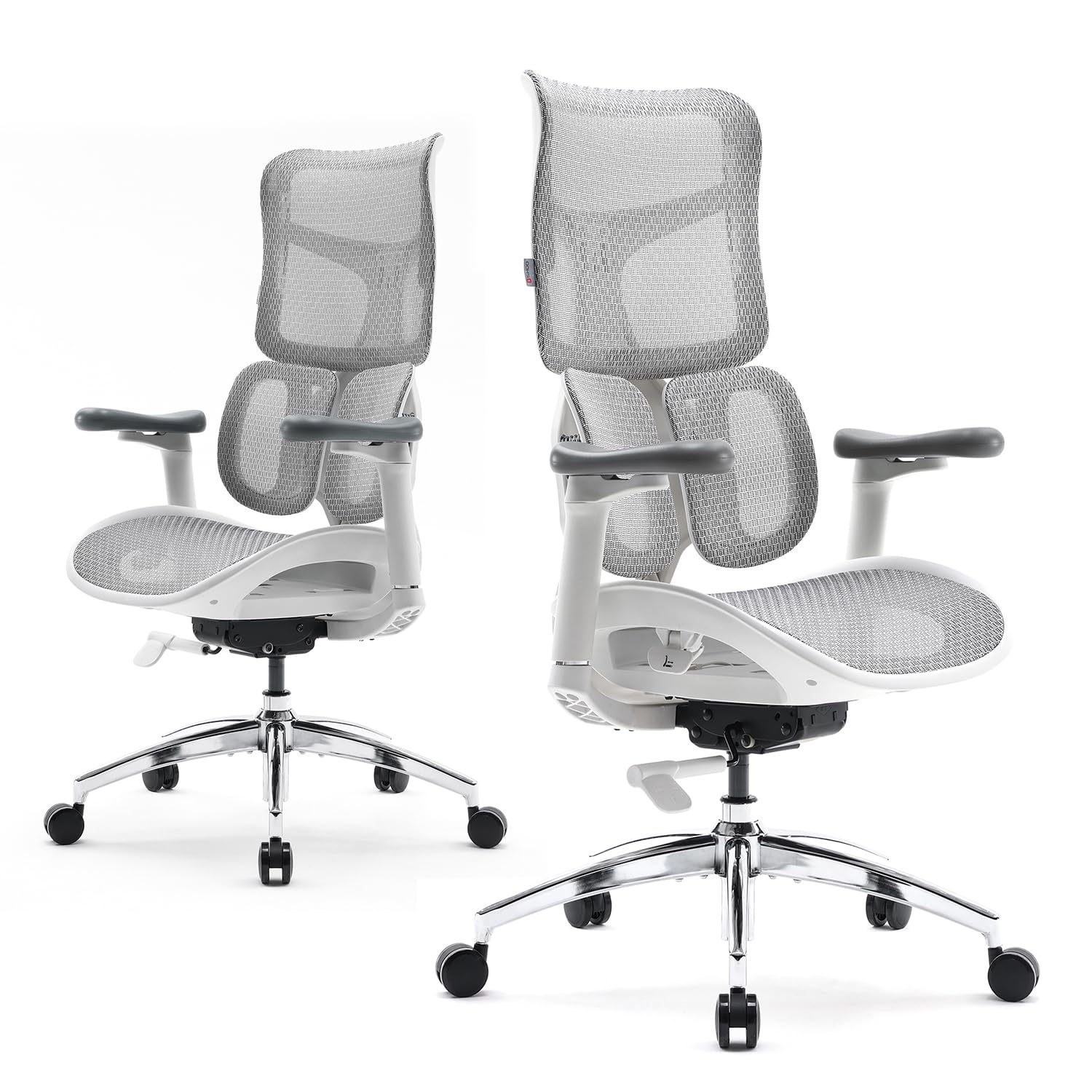
- Dual dynamic lumbar support uses a four-spring mechanism and is described as adapting in six dimensions to different body shapes and postures.
- Armrests adjust up or down by 2.76 inches, forward or back by 1.18 inches, and rotate inward or outward by 72 degrees; they coordinate with the backrest during recline.
- The independently adjustable backrest has five upper-section positions. The stated intended user-height range is 5 feet to 6 feet 3 inches.
- Seat depth adjusts by 1.97 inches, and the cushion has a waterfall-shaped front edge intended to spread contact across the thighs and hips.

Pros
- Dynamic lumbar support is designed to follow changes in posture rather than remain in one fixed position.
- Multiple armrest adjustments make it easier to adapt support to typing, desk height, and reclining positions.
Consider before buying
- A stated height range cannot guarantee a comfortable fit for every body proportion; torso and leg length may affect how the adjustments feel.
- The product details here do not specify the full seat dimensions or the recline range, so buyers with strict desk or space requirements should confirm those before purchase.
Read the full review summary
The Doro S100 is built around adjustments that can help tailor a chair to the person and the work setup.
Its dual dynamic lumbar system uses four springs and is described as adjusting in six dimensions; the backrest’s upper half has five positions, the seat depth adjusts by two inches, and the armrests move in several directions and coordinate with recline.
That combination may suit someone who shifts between upright desk work and leaning back, or who has found fixed lumbar and arm support difficult to fit.
The stated height range is 5 feet to 6 feet 3 inches, but individual proportions and preferred posture still matter.
The product details give less information about the recline mechanism and seat dimensions, so buyers with specific fit needs should confirm those before deciding.
The buying factors
Doro S100 Scorecard
Editorial scores reflect listed features and buyer fit; they are not laboratory measurements or customer ratings.
Lumbar adjustability
The dual dynamic system is described as adapting in six dimensions with four springs, offering more movement than a fixed support.
Armrest flexibility
The armrests adjust vertically, forward and back, and inward and outward, and coordinate with the backrest when reclining.
Backrest fit
Five upper-backrest positions and a stated user-height range offer useful ways to tailor support.
Seat-depth adjustment
A two-inch adjustment range provides some scope to tune thigh support, though the total seat dimensions are not specified here.
Breathability
High-resilience mesh is used for the backrest, a practical choice for buyers who prefer an airy back support surface.
Fit information
The height range is provided, but other key dimensions and details about recline settings would help buyers assess fit.
Key Features and Specifications of Doro S100
- Dual dynamic lumbar support uses a four-spring mechanism and is described as adapting in six dimensions to different body shapes and postures.
- Armrests adjust up or down by 2.76 inches, forward or back by 1.18 inches, and rotate inward or outward by 72 degrees; they coordinate with the backrest during recline.
- The independently adjustable backrest has five upper-section positions. The stated intended user-height range is 5 feet to 6 feet 3 inches.
- Seat depth adjusts by 1.97 inches, and the cushion has a waterfall-shaped front edge intended to spread contact across the thighs and hips.
- The backrest uses high-resilience mesh fabric.
- The chair is described as meeting BIFMA and SGS certification standards.
Pros and Cons of Doro S100
Pros
- Dynamic lumbar support is designed to follow changes in posture rather than remain in one fixed position.
- Multiple armrest adjustments make it easier to adapt support to typing, desk height, and reclining positions.
- An independently adjustable upper backrest adds a useful fit option across the stated height range.
- Seat-depth adjustment and a waterfall-shaped cushion give buyers additional ways to tune leg support.
Consider before buying
- A stated height range cannot guarantee a comfortable fit for every body proportion; torso and leg length may affect how the adjustments feel.
- The product details here do not specify the full seat dimensions or the recline range, so buyers with strict desk or space requirements should confirm those before purchase.
- The adjustment-rich design may take more setup time than a chair with fewer controls; expect to tune the backrest, seat depth, and armrests to your preferred position.
Who Should Buy Doro S100?
Good fit
Consider the Doro S100 if lower-back support that moves with you is a priority and you want to tune more than seat height.
The spring-assisted lumbar design, independently positioned upper backrest, and depth-adjustable seat give you several points to personalize the fit.
It is also worth considering if you regularly change tasks or posture and want armrests that can move with you as you recline.
Before ordering, compare the stated height range with your own proportions and check that the chair’s complete dimensions and recline behavior fit your desk and room.
Who should skip it
Look elsewhere if you need a chair selected around a particular seat width, seat height, or a specified recline angle and cannot confirm those measurements.
The information available here does not provide those details, so they may be essential to your fit decision.
It may also be a poor match if you prefer a simple chair with minimal adjustment.
The S100’s main appeal is its range of support settings, which is most useful when you plan to adjust them to your body and work habits.
How the Doro S100’s adjustments shape everyday fit
A lumbar system designed to move
The dual dynamic support is the defining feature: its four springs and six-direction adjustment are intended to let it respond as the sitter changes posture.
That can be appealing for people who alternate between leaning toward a screen and sitting back, though the best fit remains personal. A moving mechanism does not replace checking where the support meets your lower back.
Armrests that follow the recline
The armrests combine height, front-to-back, and inward-to-outward adjustments, with linkage to the backrest during reclining. This gives buyers more ways to line up elbow support with a keyboard or desk and retain it while leaning back.
Check that the arm pads can fit under or alongside your desk at the height you use.
Back and seat adjustments for different proportions
Five upper-backrest positions and nearly two inches of seat-depth movement can help accommodate different torso and leg lengths.
The stated 5-foot to 6-foot-3-inch range is a useful starting point, not a substitute for checking whether the seat edge leaves comfortable space behind your knees and the backrest meets your shoulders.
Mesh and certification details
High-resilience mesh on the backrest offers an alternative to a fully upholstered back, while the waterfall-shaped cushion is intended to maintain broad contact with the thighs and hips as the sitter moves.
BIFMA and SGS certifications add product-standard context, but they do not establish whether a particular user will find the chair comfortable; fit and adjustment remain the practical decision points.
Alternatives to Doro S100
Home Office Desk Chairs alternative
17,000+ ratings
Read Amazon ReviewsSIHOO M57 Ergonomic Office Chair
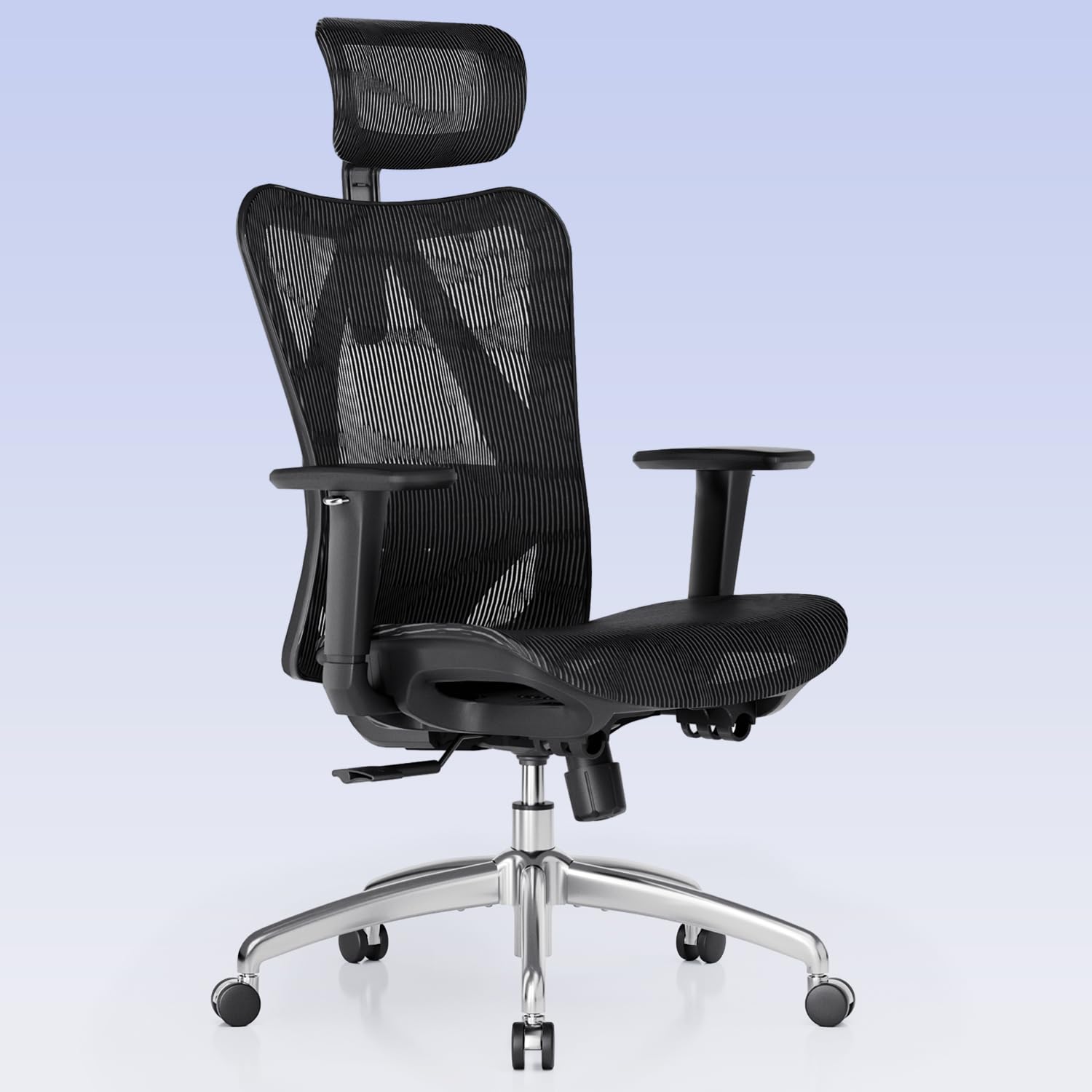
Consider the M57 if a specified recline range, adjustable headrest, or stated capacity is more useful to your decision than the S100’s more detailed armrest and lumbar adjustments.
Choose between them based on which support controls and fit details matter most to you.
- The M57 description highlights a split backrest, lumbar support adjustable in height and depth, a tilting headrest, and recline from 90 to 126 degrees.
- It also gives a 330-pound capacity.
- The Doro S100 emphasizes a six-dimension dynamic lumbar mechanism, five-position upper backrest, depth-adjustable seat, and armrests that coordinate with recline.
Home Office Desk Chairs alternative
17,000+ ratings
Read Amazon ReviewsSIHOO B100 Office Chair
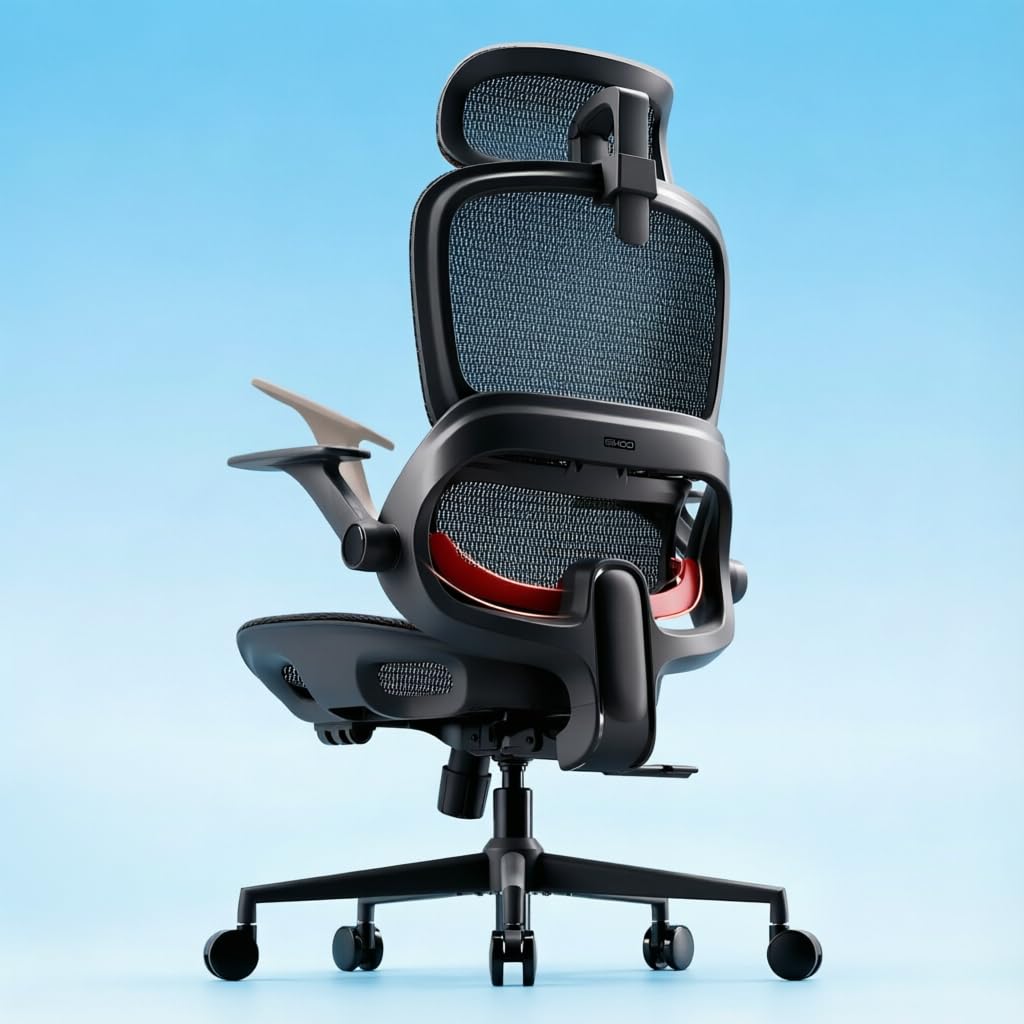
The B100 may suit a buyer prioritizing flip-up arms for tucking a chair under a desk and a stated set of recline angles.
The Doro S100 is the more relevant fit to investigate if you value its five-position upper backrest and broader specified armrest movement.
- The B100 describes three recline angles, a wide headrest, and armrests that flip up and adjust with the recline; it also gives a 300-pound capacity and a three-year warranty.
- The Doro S100 provides multi-directional armrest adjustments that coordinate with the backrest and a five-position upper backrest.
Is Doro S100 Worth It?
The SIHOO Doro S100 is worth considering if you want a mesh-backed office chair with adaptable lumbar support and several ways to tune arm, back, and seat position.
Its strongest case is the combination of a moving lumbar system, independently adjustable upper backrest, and armrests that coordinate with recline.
Treat the stated height range as a starting point, and confirm full dimensions and recline details if your desk setup or fit requirements are specific.
If those checks work for you and you are willing to adjust the chair to your routine, the Doro S100 offers a compelling set of fit options to weigh.
Your review at a glance
100+ ratings
Read Amazon ReviewsSIHOO Doro S100
A strong fit for desk workers seeking adaptive lumbar support, a height-adjustable backrest, and coordinated armrests for varied sitting positions.
- Dual dynamic lumbar support uses a four-spring mechanism and is described as adapting in six dimensions to different body shapes and postures.
- Armrests adjust up or down by 2.76 inches, forward or back by 1.18 inches, and rotate inward or outward by 72 degrees; they coordinate with the backrest during recline.
- The independently adjustable backrest has five upper-section positions. The stated intended user-height range is 5 feet to 6 feet 3 inches.
- Seat depth adjusts by 1.97 inches, and the cushion has a waterfall-shaped front edge intended to spread contact across the thighs and hips.